The Important Moment: Making Sure You Are Safe. Feel Confident, Out, in the Wild
When you are hunting you are often in situations that change quickly. A deer might come into your view. Then you realize the distance is longer than you thought. A low branch is in your way. The wind changes direction. These times challenge you not on skill but on thinking. The real test is not just to draw your bow. It is to know when to wait, when to move on and when to shoot. Using a checklist in the field helps you avoid taking shots and keeps your equipment ready. The goal should always be to take a break to be calm and to only shoot when you are completely sure.
Learning Where the Animal Is
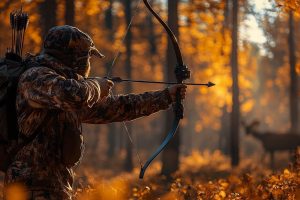
When you see a deer don't just look at how you can see it. Look at the direction it is facing. A deer standing sideways or a little away offers a shot to the body. A deer facing you or turning quickly towards you is much harder to shoot. Your choice also depends on the animal itself the equipment you are using your experience and the local rules. A picture on a screen or a drawing in a book doesn't mean every real situation is safe or allowed.
Focus on the near-side leg the chest area and what is behind the animal. If the deer is moving wait. Don't guess where it will be when your arrow arrives. The moment can go fast. When the deer turns, lowers its head or moves behind something. Being patient is important. Missing a shot is not failure. Rushing one is often the mistake.
Also your personal rules should be stricter than what the law allows. If you have not shown you can make a shot from that direction and distance even if the law says it is allowed it is still not the choice. The law sets a level. You should set a level.
A Way to Make Choices
Before you even take your bow out go through a list in your mind. It should cover direction, path, distance what is behind and the animals actions. These five points help you decide quickly and clearly.
– Direction: Can you find a path to the body?
– Path: Is the arrows way blocked by branches, grass or other things?
– Distance: Can you guess the distance using your method?
– Behind: What is behind the animal? Where could a missed arrow go?
– Behavior: Is the animal calm? Is it not moving?
These questions should not take long. With practice they become a pause before you take your shot. If one thing feels wrong keep watching. If two or more are unclear the chance has probably passed. A shot at a running or surprised animal is almost never an idea.
Checking Your Gear Before Every Hunt
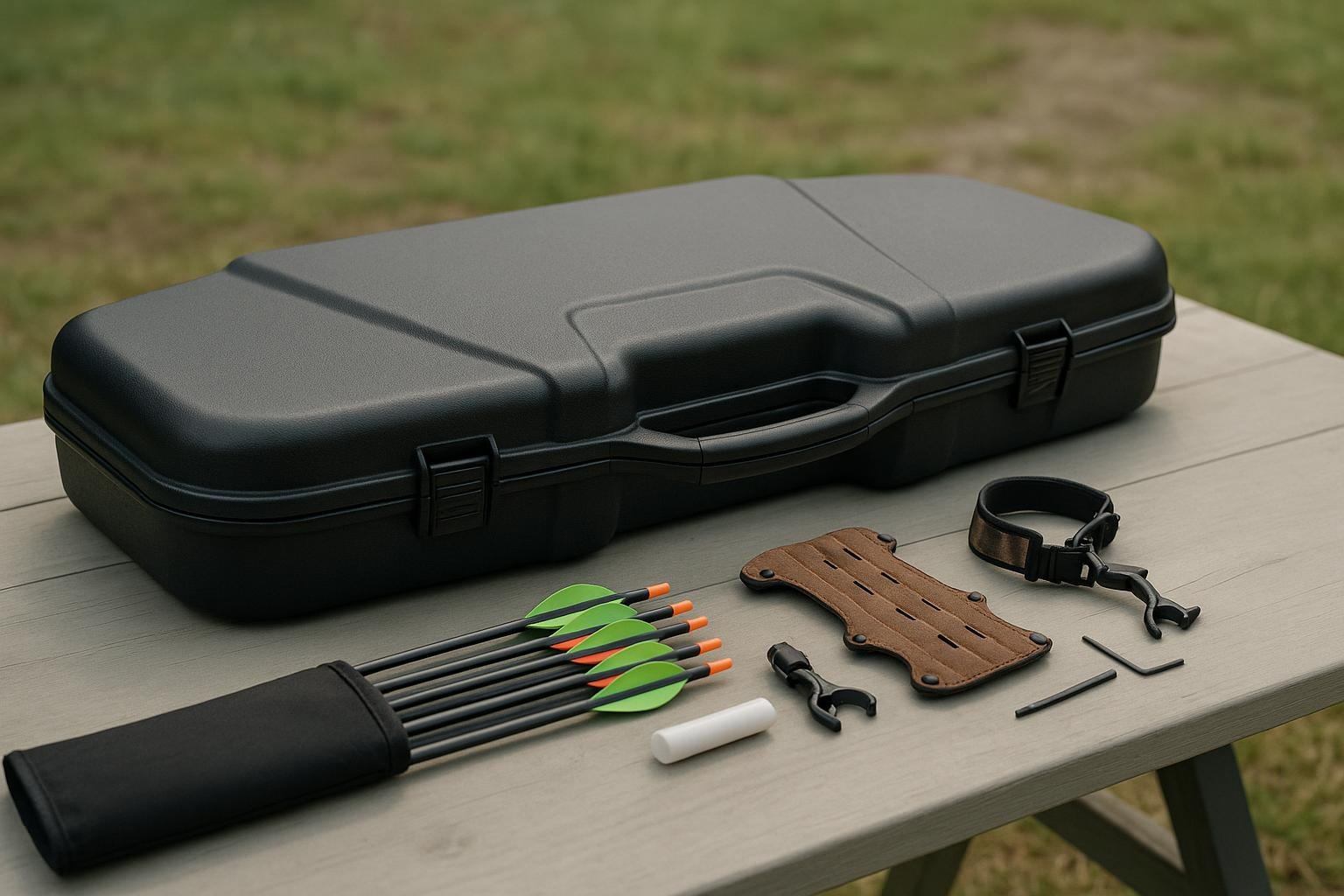
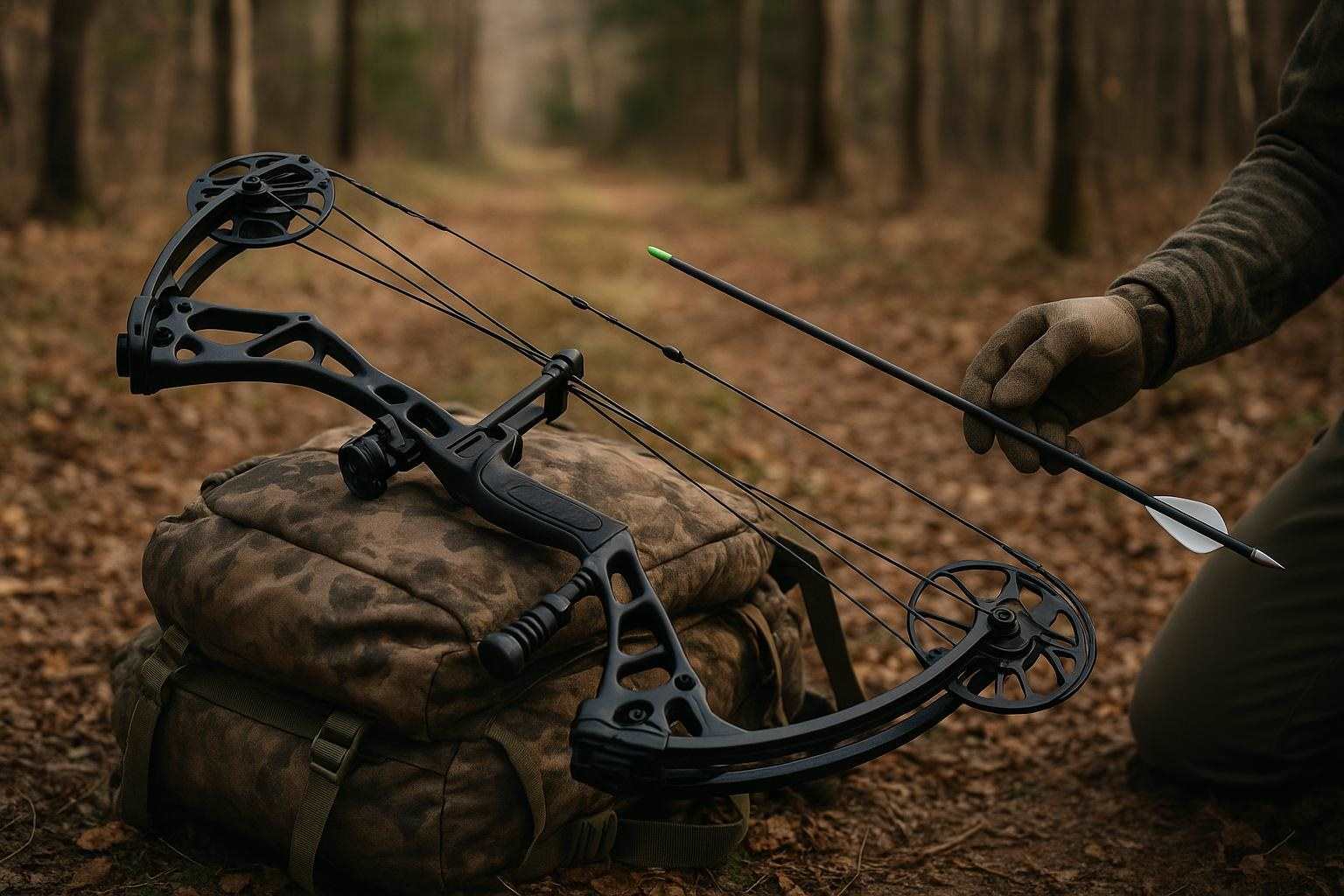
No good shot can happen with equipment. Start by looking at your bow. Check the string and cables for fraying, broken parts or damage. Look at the limbs for cracks or problems. Make sure all parts are there. Sights, stabilizers, quivers. Any loose piece can lead to a miss.
Your arrows need care too. Check each shaft for bends, cracks or damage. Look for inserts, broken nocks or loose feathers. If you have the tools test your arrows by spinning them. Remove any that don't fly straight. A small problem now can cause issues later.
After moving your gear or changing your setup do a test. Make sure your release is working. Check your draw. Confirm nothing has moved. If your bow looks broken or sounds different don't take a chance. Get help from a professional.
Practice as You Hunt: Make Training Match Real Life
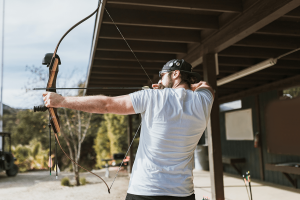
Your training should be like hunting. Shoot from distances and angles. Focus on being steady not on making it hard. Start with your bow not drawn. Find a path. Measure the distance. Decide if you want to shoot before you draw. This helps build real-life choices.
Change your positions and targets often. Don't rush. Treat each shot like it is important. Before each release say the direction point. Plan your stop. If something feels wrong step back. That hesitation is as important as the shot itself.
Keep track of your shooting. Record your results. Your groupings and your misses. Note any issues like your anchor point moving, pins shifting or trouble holding steady. These signs might mean you are tired your setup is bad. You need to rethink your range. Learning to hold back becomes a skill. It doesn't always mean success. It builds control.
Know the Rules: Stay Up to Date
Know the rules where you hunt. Regulations affect everything. What equipment you can use, when you can hunt and how to tag your kill. Rules can change each season. Don't depend on notes or what others say. Get the information directly from wildlife agencies.
Always carry your papers and tags. Know what to do if you take an animal. If you are not sure about any rule ask. It is better to be safe than to risk losing your hunt.
Rules are the minimum. Use your judgment too. Add your experience the condition of your gear, the weather and how likely you're to find the animal into your choice.
The Final Field Checklist
Before you take your bow out go through this list:
– Make sure you are allowed in this place for this animal during this time and with this gear.
– Check that the direction is right and the path to the body is clear.
– Confirm the distance is within the range you have practiced.
– Make sure the animal is calm and not moving quickly.
– Look at the background. Where could the arrow go?
– Check your bow, arrows and release.
This list is not for speed. It is a test. If any part does not meet your standards wait. Walk away. There will be chances.
Preparation is not about being ready. It is about being ready. It is, about knowing your gear trusting your skills and having the strength to wait when the time is not right. Confidence comes from control. Safety comes from being careful.